







The Architectural Forum that Left its Mark on the Tourism Industry
The leading exhibition of Greek tourism, Xenia 2025, made a dynamic return to the Metropolitan Expo from November 22 to 24.
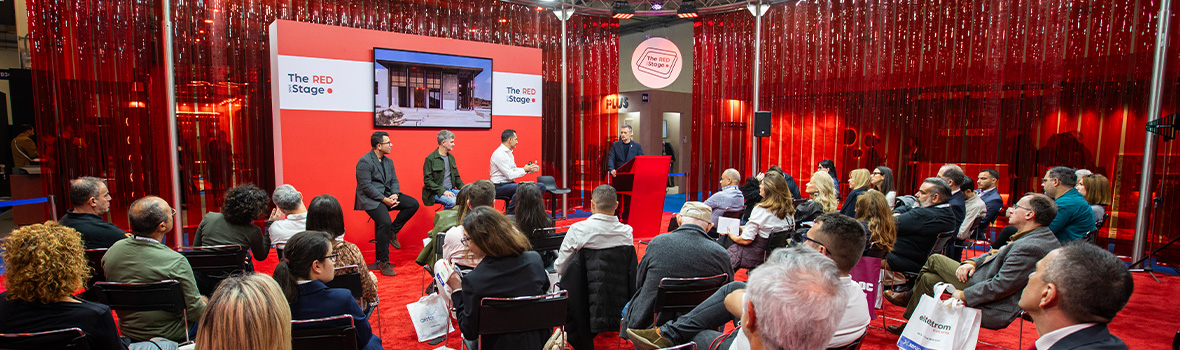
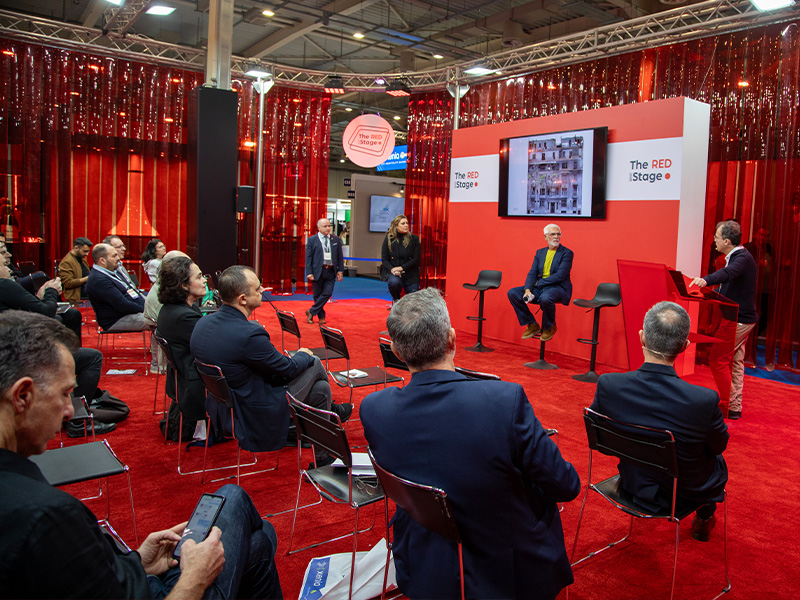
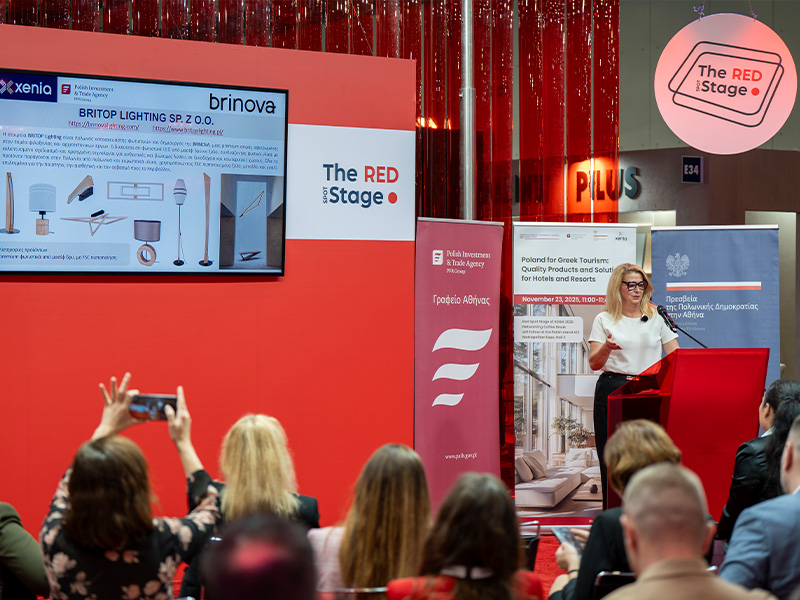
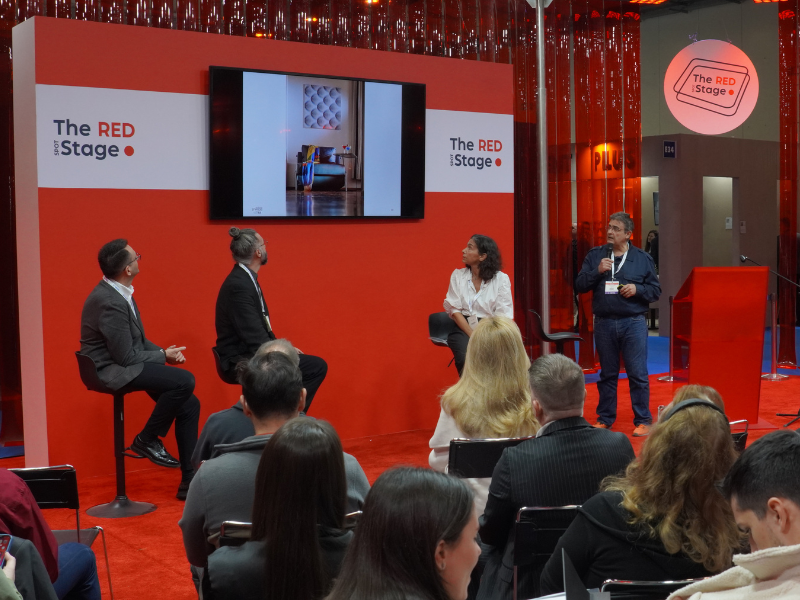
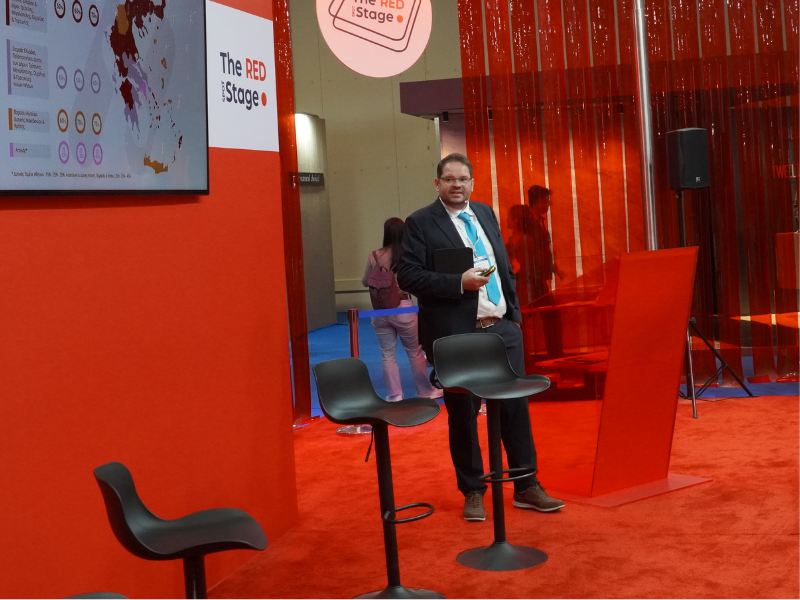
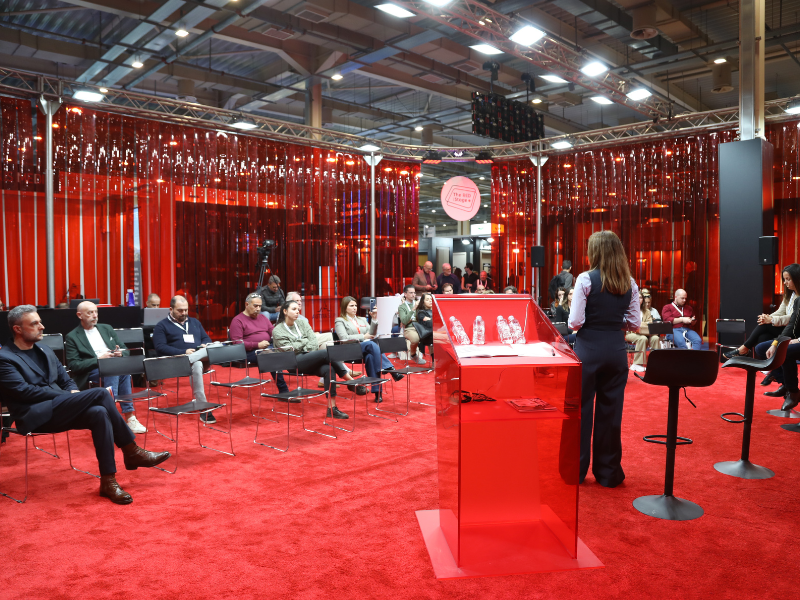
For the third consecutive year, ek magazine, with its long-standing expertise in architecture, construction, and design, undertook the full curation and coordination of the architectural presentations held at “The Red Spot Stage” in HALL 2. The talks were moderated by Spyros Martinos, Editor of ek Architectural Publications.
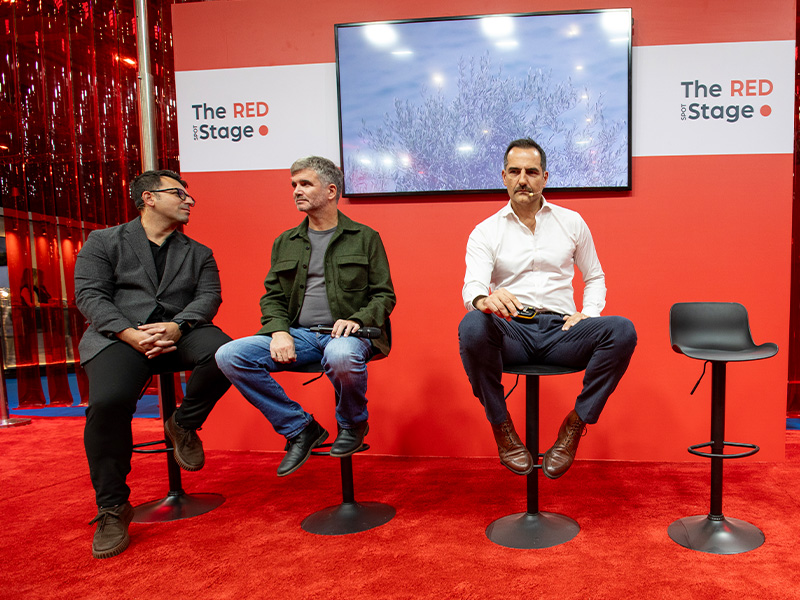
The architectural design of the stage was signed by Rena Sakellaridou with the RS Sparch office, creating a space of high aesthetics that hosted prominent Greek architects, constructors, lighting designers, and hoteliers. Through selected case studies, the challenges and solutions applied in recently completed hospitality projects were analyzed.
The presentations were developed around the following key sections: Creating Synergies, Design & Business Planning, and Hotel Design Trends.
Contemporary Trends in Hotel Design at Xenia
Xenia 2025 opened its doors today at the Metropolitan Expo, with The Red Spot Stage — curated and coordinated by ek magazine — recording impressive attendance and strong participation from professionals in architecture, hospitality, and construction. The space, designed by Rena Sakellaridou and the RS Sparch office, served as a hub for dialogue and the presentation of contemporary approaches to the creation and operation of hotel units.
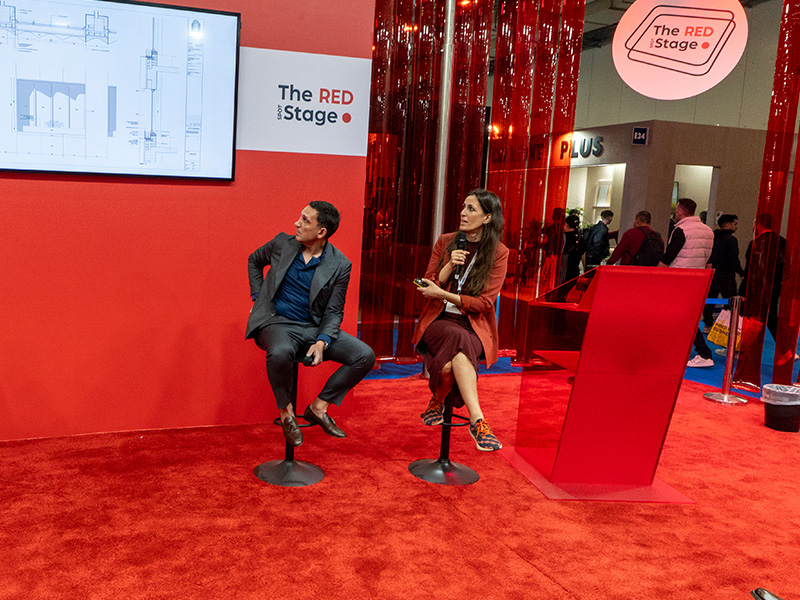
The day began with the Design & Business Planning session, where Konstantinos Pantelis, CEO of Anodos Group, presented practical guidelines and financing tools for tourism investments, offering the audience a comprehensive overview of available options in an environment that demands strategic planning and preparation.
Within the Creating Synergies theme, three important case studies were showcased. The JW Marriott Crete Resort & Spa was discussed by architect Sotiris Tsergas (Block722 Architects), Iosif Christakis (General Manager Marriott International), and landscape architect Thomas Doxiadis (doxiadis+), highlighting the requirements of a large resort and the way collaboration among teams shaped the final outcome.
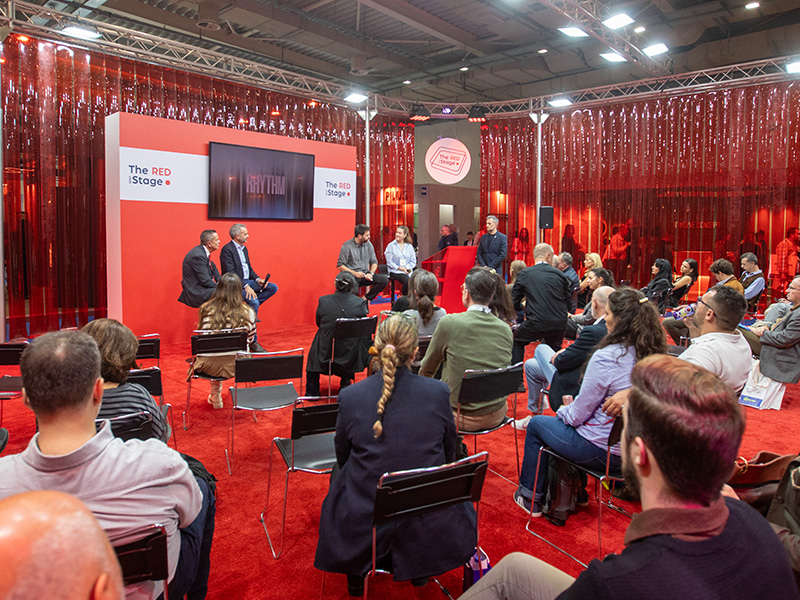
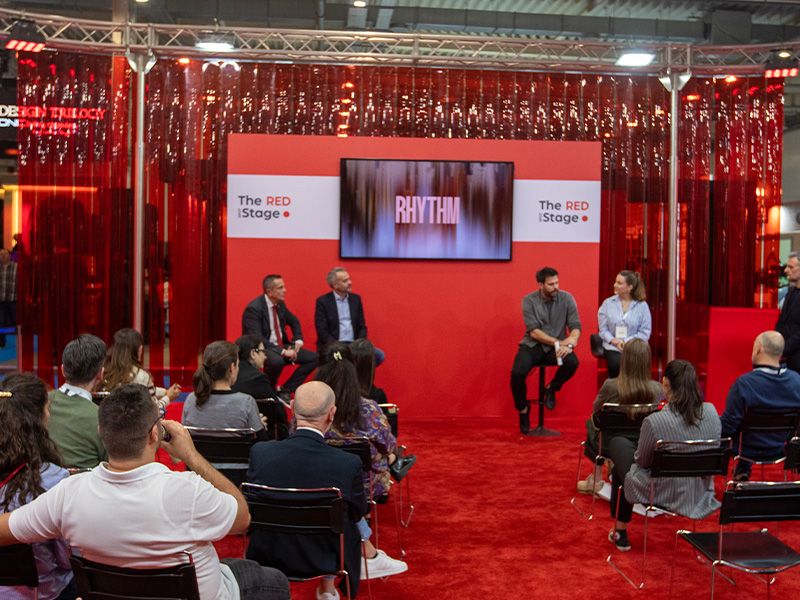
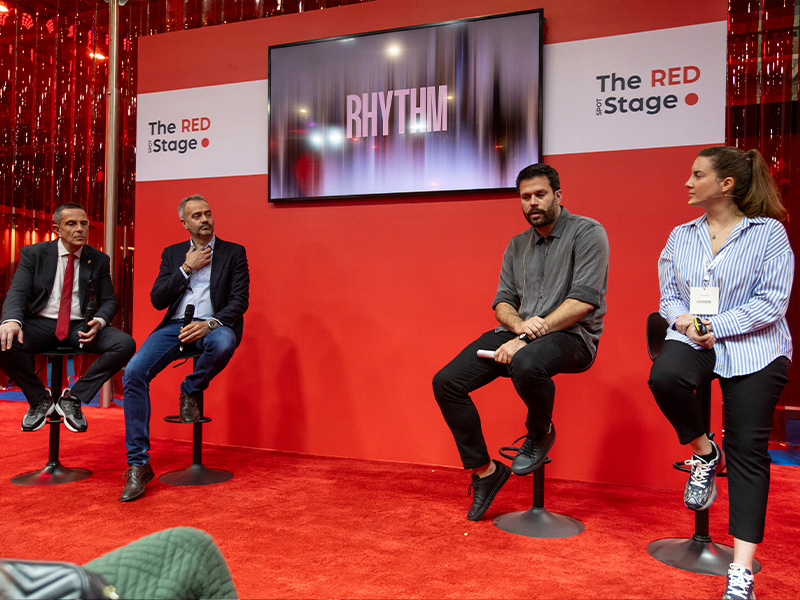
This was followed by Electra Rhythm Athens, with Manos Gogoulis (Mutiny Architects), Evi Kapeli (Interweave), Loukianos Tiktopoulos (Ballian Techniki), and Giorgos Spyropoulos (Electra Hotels & Resorts), in a discussion about the modern urban hotel experience and the importance of identity in the city environment. The Social Athens Hotel was presented by Maria Papafigou (OOAK Architects) and Konstantinos Chondroyiannis (BC Perigramma), emphasizing how a city hotel can craft a distinctive hospitality experience through design-driven choices.
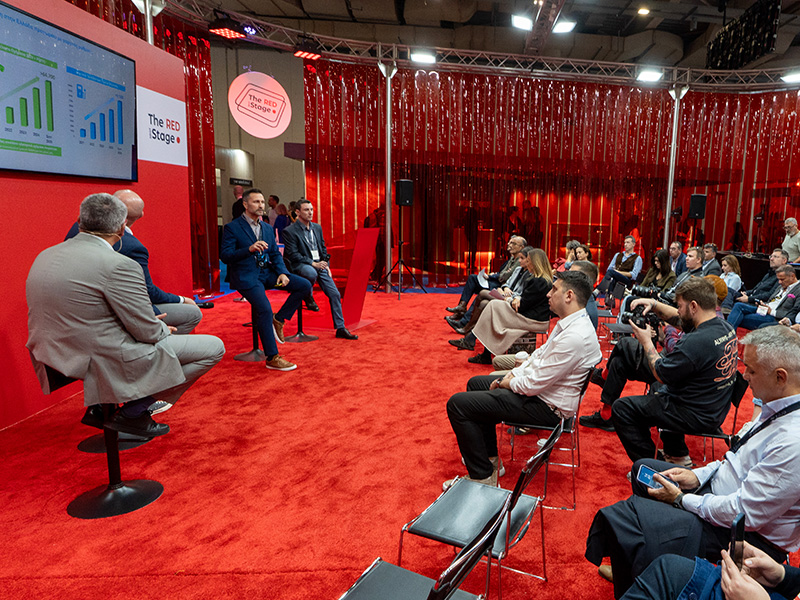
Next, the Hotel Design Trends session focused on new directions in sustainable development and technological upgrades in hotels. Speakers Stratos Boubouras (Vitex), Apostolos Houliaras (Public Power Corporation Group), Achilleios Karamitsos (Daikin Greece), and Evgenios Vasilikos (Athens, Attica & Argosaronic Hotel Association) analyzed the contribution of materials, green energy, and modern technological applications in creating energy-efficient and environmentally responsible hospitality units.
The day concluded once again with Creating Synergies, through two significant references to renovation and urban hotel development. Rocabella Mykonos was presented by architect Eleftherios Abatzis and General Manager Roi Kalfopoulou, highlighting the challenges of an extensive renovation project and the importance of repositioning a brand through renewed design.
Finally, Mitsis N’U Piraeus Port closed the day, with Unit Director Apostolos Michalovits, architect Dimitris Travasaros (Divercity Architects), and Spyros Naoumidis (Mitsis Group) presenting a modern approach to the operation of a city hotel serving the rapidly developing area of Piraeus.
With rich content, meaningful dialogue, and consistently high attendance, the first day of The Red Spot Stage confirmed its decisive role in connecting architecture with contemporary Greek hospitality.
Design, Funding and Partnerships
The second day of the program at The Red Spot Stage concluded with remarkable participation and a high level of dialogue, reaffirming its role as a reference point for architecture, hospitality, and design within the framework of Xenia 2025. The day’s presentations highlighted new directions in strategic planning, integrated collaborations in hotel projects, and the evolving importance of branding and photography in showcasing projects.
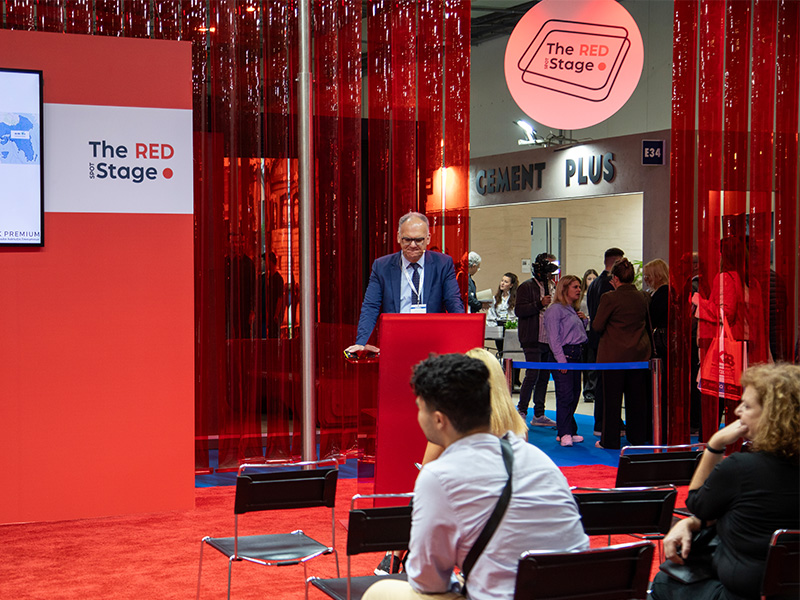
The day began with the Design and Business Planning session, where Kostas Vamvakas, founder and CEO of VK PREMIUM, presented current funding opportunities that support the sustainable growth of tourism enterprises. His talk focused on the requirements of new financing schemes, offering practical guidance to professionals planning or implementing investment projects.
In the Creating Synergies section that followed, Athens Capital Suites was presented by Alexandros Masouridis (MTArchitects), Magdalini Sgouridi (Mare Studio), Mario Papaparis (Light Plus), and the complex’s general manager, Evripidis Tzikas. The discussion highlighted the role of synergy among architects, lighting designers, and management in developing a modern city hotel that invests in a clear identity and carefully crafted design.
Immediately after, Anthology of Athens was presented by Ria Vogiatzis (Elastic Architects), project manager Kostas Efthymiou (Focal Project Managers), fashion designer Olga Karaververi, and Dimitris Kontogeorgos (MD Hospitality). The discussion focused on how the project combines architecture, fashion design, and contemporary hospitality philosophy, creating a holistic concept based on both aesthetics and guest experience.
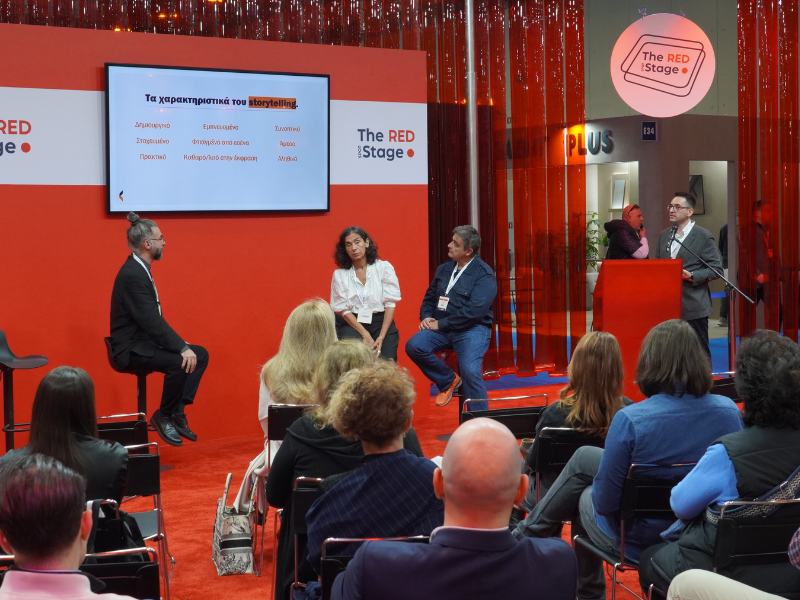
The Hotel Design Trends session centered on the value of branding and storytelling in shaping a hotel’s identity. Manos Babounis (Trail Practice), Dimitris Koliadimas (Semiotik Design), and photographer Panagiotis Voumvakis analyzed how creative strategy, interior design, and visual storytelling form a unified brand experience that enhances recognition and emotional connection with guests.
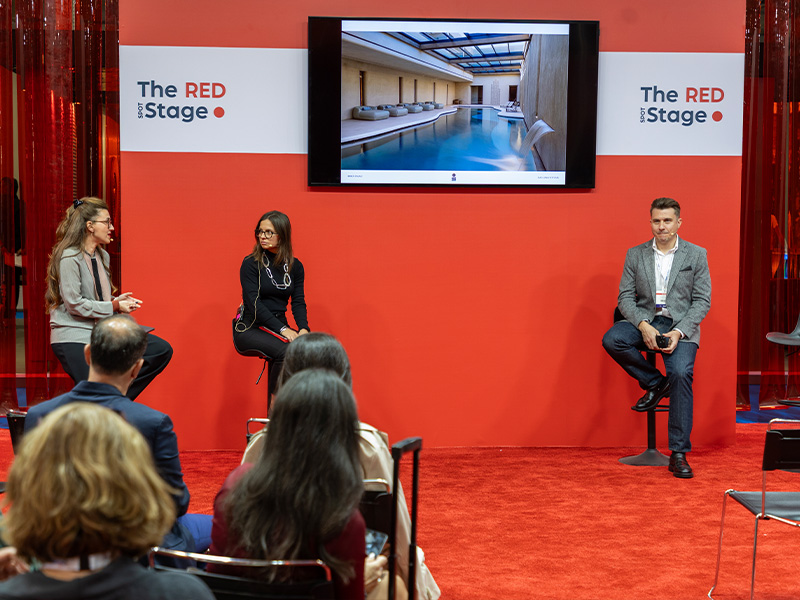
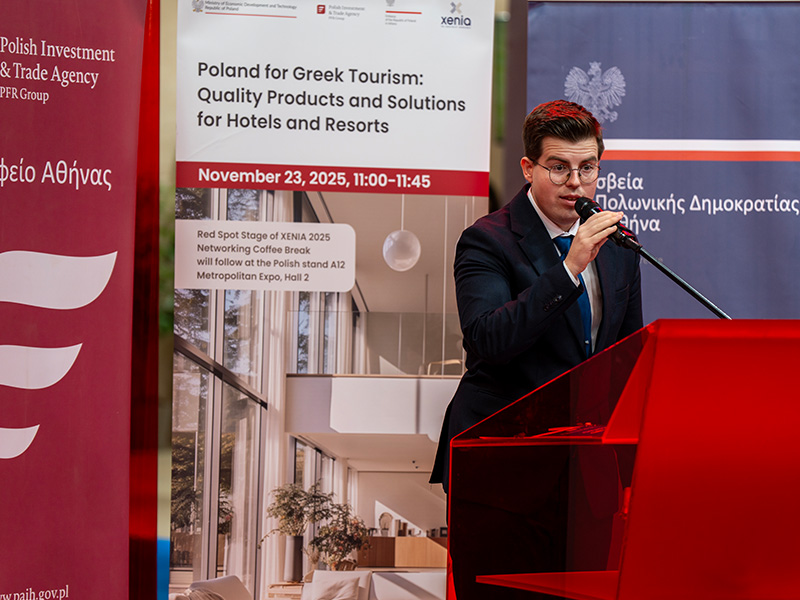
The day continued with two more presentations under Creating Synergies. Homa Villas in Serifos was presented by Iliana Kerestetzi (Mold Architects) and owner Takis Theofilopoulos, with the discussion focusing on the integration of architecture with the landscape and the unique requirements of a premium hospitality residence in an island environment. This was followed by Minos Palace, presented by Afroditi Bonatsou (Stones & Walls), Vasiliki Mamidaki, and Angelos Pagalos (Bluegr Hotels & Resorts), who highlighted the complexity of a resort renovation project and how upgrading an existing property can redefine its position in the market.
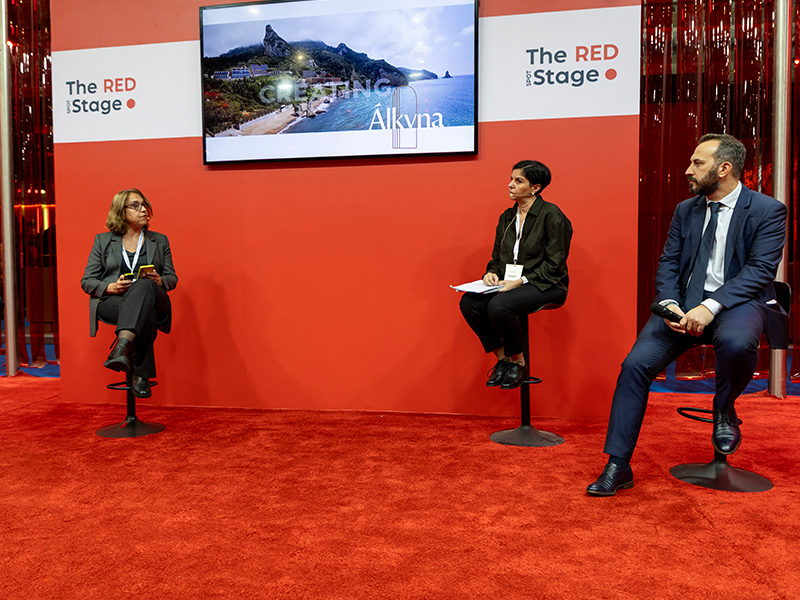
The day’s program concluded with Alkyna Lifestyle Beach Resort, presented by AMK Architects (Anna Koutsoukosta and Marina Filippidi), lighting designer Chloe Kazamia, and owner Kostas Sideris. The presentation showcased a comprehensive approach to designing a modern seaside resort, where architecture, interior design, lighting, and business strategy coexist within a unified concept that strengthens the destination’s character.
The second day of The Red Spot Stage confirmed the diversity and dynamism of Greek hotel architecture, emphasizing the importance of interdisciplinary collaboration and creative strategy. The program continues tomorrow with the third and final day of presentations.
Architecture & Hospitality: Design, Synergies, Investments
The third day of the program at The Red Spot Stage concluded with steady participation and meaningful discussions, wrapping up a three-day event rich in content and interesting approaches to architecture and hospitality. Today’s program focused on tourism investment financing, modern renovation practices, and integrated design solutions for city hotels, boutique properties, resorts, and luxury villas.
The day opened with the Design & Business Planning session, where Manolis Koutelias, Director of Investments and Projects at Noisis, presented the financial tools that support sustainable tourism development and the requirements for successfully leveraging available investment programs.
In the Creating Synergies section that followed, the Hilton Chania Old Town was showcased—a city hotel currently under construction, expected to open in 2026. Architect Giorgos Kontaxakis (K-Arch), project manager Manolis Darakis, and COO Carlos Malliaroudakis (Hotelleading) analyzed the challenges of a hotel project within a historic urban fabric and how architectural design and operational strategy are integrated from the development stage.
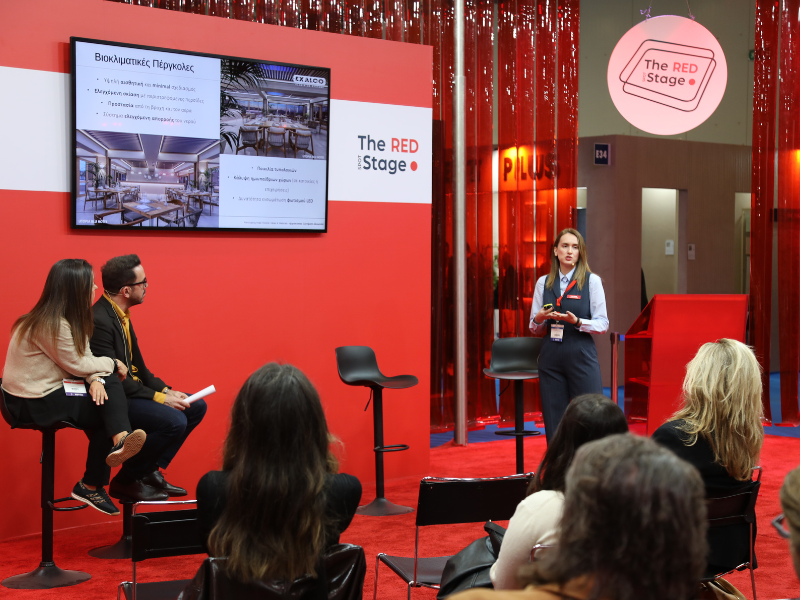
The Hotel Design Trends session focused on hotel room renovation issues, with Michalis Kraounakis (K-Division), Evangelia Tsiourva (Exalco), and Christina Moudara (HUB Lighting & Innovation by Kafkas) presenting ideas and materials that can significantly upgrade the quality and functionality of rooms through modern and sustainable approaches.
Next came the presentation of Pnoes Tinos Luxury Villas by Aristides Dallas and Charitina Trikka (Aristides Dallas Architects), together with Christos Papachristos (CPLD Lighting Design). The discussion highlighted the value of architectural design that harmonizes with the Cycladic environment and meets the demands of a high-end hospitality product.
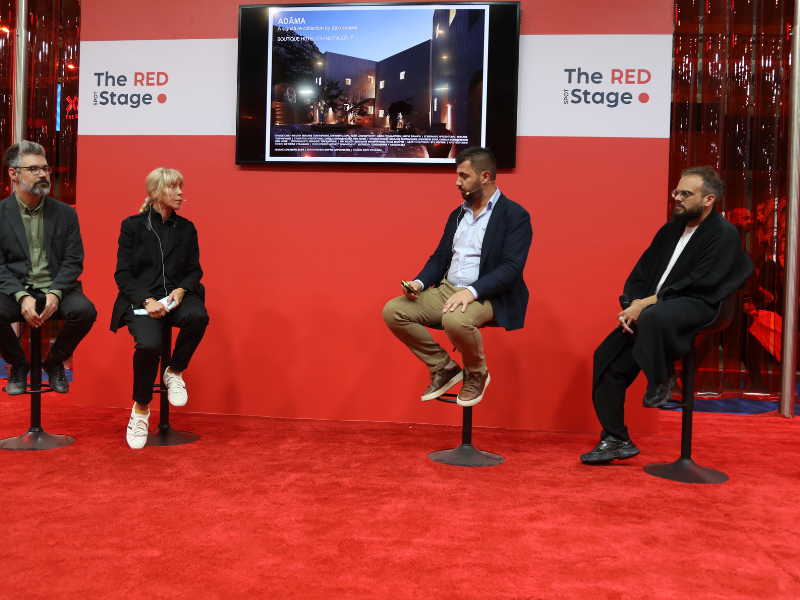
The Adama Boutique Hotel was presented by engineer Michalis Tzagkarakis (Tzagkarakis + Associates), interior designer Carola Born (Hidden Gem), lighting designer Giorgos Anagnostakis (IFI Lighting), and creative director Leonidas Oikonomou (Roleplay). The presentation focused on how branding and interior design can shape an authentic boutique experience.
The Amphitheatro Boutique Hotel was introduced by architect Ilias Theodorakis (Ateno Studio), who analyzed the redesign of an existing property and how contemporary architectural redefinition enhances both functionality and aesthetics.
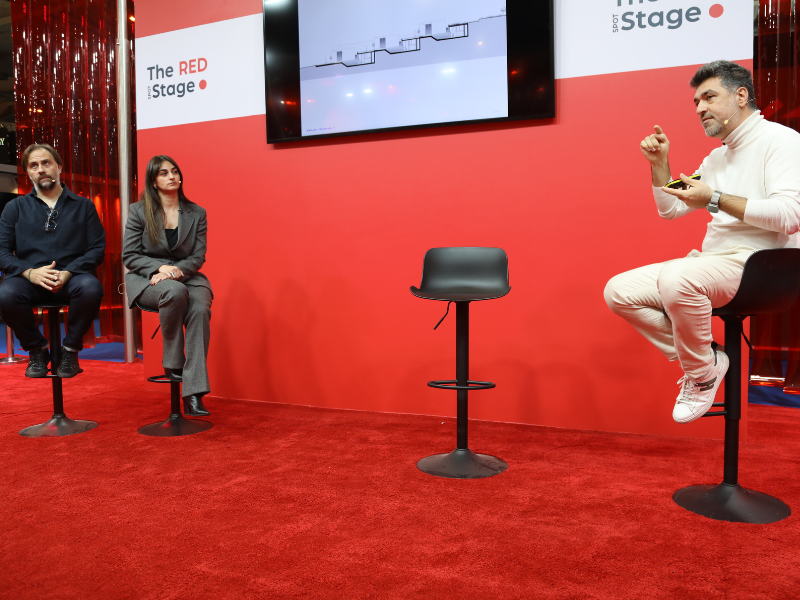
The final presentation featured Serendi Villas, one of the largest hospitality projects currently under development in Ibiza, also expected to open in 2026. Costas Gagos (Costas Gagos Architecture & Design), Giannis Papacharalambous (Bagno Y Bagno), Fotini Iatrou (SKIA Lighting), and architect Costas Amanitis (Amanitis Architects) showcased a large-scale project that stands out not only for its complexity and scope but also for the collaboration of Greek firms in architecture, interior design, and lighting design. The presentation emphasized the significant presence of the Greek creative community in the international hospitality market and how a holistic, well-coordinated design process meets the high standards of Ibiza as a global destination.
With the conclusion of the third day, The Red Spot Stage closed a three-day event full of new ideas, synergies, and approaches that highlight the breadth and dynamism of contemporary Greek hotel architecture.
For yet another year, ek magazine played a central role in curating, designing, and coordinating the program at The Red Spot Stage, shaping a cohesive and high-level thematic agenda that connected architects, designers, manufacturers, investors, and hoteliers around the dialogue for the hospitality of the future.